
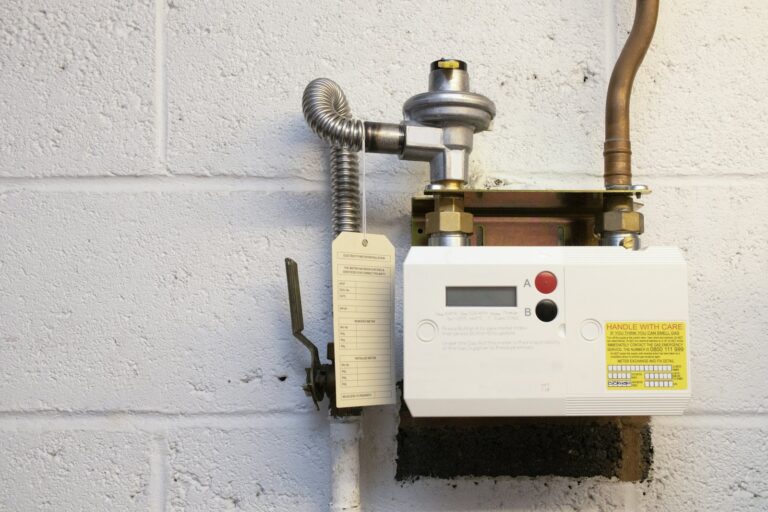
A tank heater costs less up front and can supply a lot of hot water at once, but it eventually runs out and loses heat while it sits. A tankless heater costs more to buy and install but never runs out, uses less energy, especially in smaller households, and often lasts more than 20 years. Its limit is how many gallons per minute it can heat at once.
How each type works
A tank water heater keeps a supply of hot water ready, usually 40 or 50 gallons, and reheats it to keep it hot. When the tank runs out, you wait for it to recover.
A tankless water heater, also called on-demand, heats water only as it flows through. There's no stored supply, so it doesn't run out, but it can only heat so many gallons per minute at once.
Side by side
| Tank | Tankless | |
|---|---|---|
| Upfront cost | Lower | Higher |
| Energy use | Standby heat loss | No standby loss |
| Hot water supply | Runs out, then recovers | Doesn't run out |
| Hot water at once | As much as the tank holds | Limited by flow rate |
| Typical life | About 10 to 15 years | More than 20 years |
| Space | Floor space for the tank | Wall-mounted, compact |
| Maintenance | Flush yearly | Descale periodically |
Life expectancy figures from the U.S. Department of Energy.
How much energy tankless saves
According to the U.S. Department of Energy, for homes that use 41 gallons or less of hot water a day, tankless heaters can be 24% to 34% more energy efficient than standard tank heaters. For homes that use a lot of hot water, around 86 gallons a day, the gain drops to 8% to 14%.
In plain terms, the savings are biggest in smaller households and shrink as hot water use goes up. Whether those savings pay back the higher upfront cost depends on your usage, your fuel, and what the installation involves.
The flow rate question
The DOE says tankless heaters typically deliver 2 to 5 gallons of hot water per minute, with gas models generally delivering more than electric. A shower might use around 2 gallons a minute, and a dishwasher or washing machine adds more. If two showers and the dishwasher run at once, a small unit may not keep up and the water will run cooler.
An Alabama advantageA tankless heater's output depends on how much it has to raise the water temperature. Incoming water here is generally warmer than in northern states, especially in summer, so a given unit can supply more hot water in Tuscaloosa than it would in a colder climate.
What the installation involves
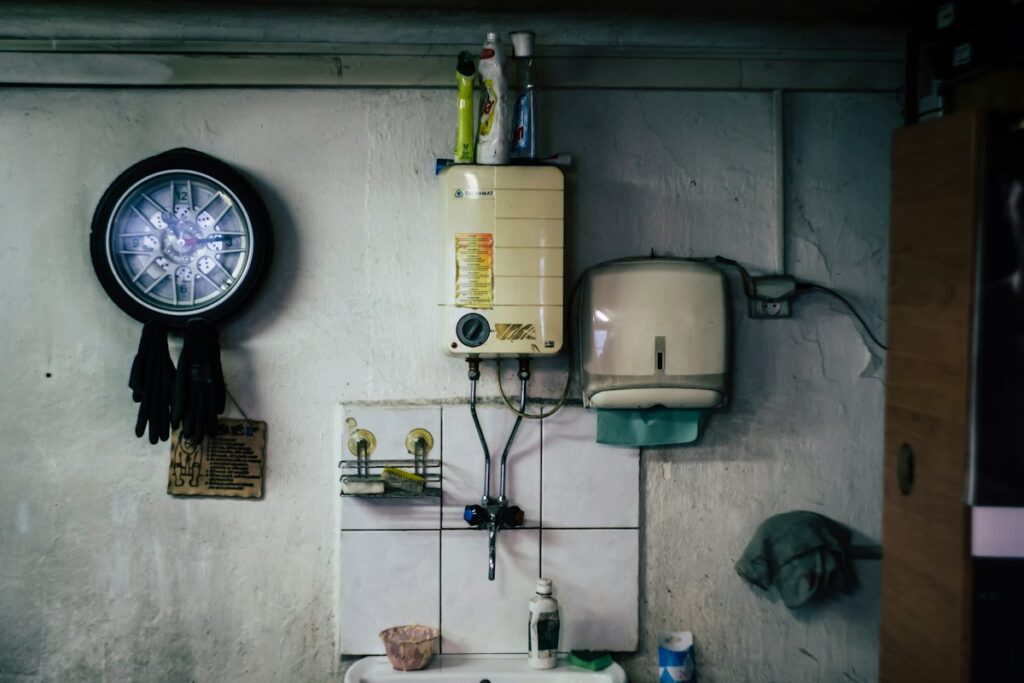
Switching from a tank to tankless is often more than a straight swap, and this is where the cost difference grows.
- Gas tankless units usually need a larger gas supply line and new venting that's rated for them.
- Electric tankless units draw a lot of power at once and may need new circuits or an upgraded electrical panel.
- Water hardness matters. Minerals build up in the heat exchanger, so tankless units need descaling, and some installs include a filter or softener.
- Location can change. A tankless unit can mount on a wall, which frees up the closet or garage space the tank used.
Ask for a written quote that lists the unit, any gas, venting or electrical work, and the permit if one is needed.
Which fits your home?
A tank is usually the better fit if
- You want the lowest upfront cost.
- Your current tank works for your household and you're replacing like for like.
- Your home would need major gas or electrical upgrades for tankless.
- You often run several hot water fixtures at once.
Tankless is usually the better fit if
- You run out of hot water with your current tank.
- You plan to stay in the home long enough to recover the higher cost.
- Your household is small to medium, where the efficiency gain is biggest.
- You want to free up floor space.
A third option: heat pump water heaters
A heat pump water heater is a tank model that moves heat from the surrounding air into the water instead of making heat directly. The DOE describes them as much more efficient than standard electric tanks. They need room around them and work best in a warm space like a garage, which suits Alabama's climate. They cost more up front than a standard tank.
Still deciding whether you even need a new heater? Start with our guide on repairing or replacing a water heater.
Ready for a quote?Water heater repair and replacement in Tuscaloosa→Questions people ask
Is tankless worth it in Alabama?
It can be, especially for smaller households that run out of hot water or plan to stay in the home a long time. Warmer incoming water here also helps a tankless unit keep up. The upfront and installation costs are higher, so get a quote for both.
How much more efficient is a tankless water heater?
The U.S. Department of Energy says 24% to 34% more efficient for homes using 41 gallons of hot water a day or less, and 8% to 14% for homes using around 86 gallons a day.
Can a tankless water heater run out of hot water?
It doesn't run out, but it can only heat so much water per minute. If too many fixtures run at once, the water gets cooler.
How long do tankless water heaters last?
The DOE says most have a life expectancy of more than 20 years, compared with about 10 to 15 years for tank heaters.
Do tankless water heaters need maintenance?
Yes. Minerals build up inside, so they need descaling from time to time, more often with hard water.
This guide is general information for homeowners, not professional advice for your specific home. Plumbing Tuscaloosa is a referral service and does not do plumbing work; a licensed plumber should look at your situation before any repair.